Case study
The Q Companies
A family of financial-services brands — 1031 exchanges, installment sale trusts, tax-advantaged exit strategies — whose consumer web presence was rebuilt on one modern platform: marketing sites, conversion funnels, ad creative, lead magnets, and custom client portals. Everything on this page is real client work.
- Client
- The Q Companies
- Industry
- Financial services
- Engagement
- 2025–2026
- Scope
- Sites · Funnels · Creative · Portals
Site conversions
Every property, rebuilt on one platform
The Q Companies’ consumer brands ran on scattered legacy builds. They were converted, property by property, onto a single modern codebase — shared design system, shared funnel infrastructure, one deploy pipeline. The flagship: Q-1031 Exchange Solutions, rebuilt end-to-end with a new information architecture, a full solutions library, interactive tax estimators, and a live webinar funnel.
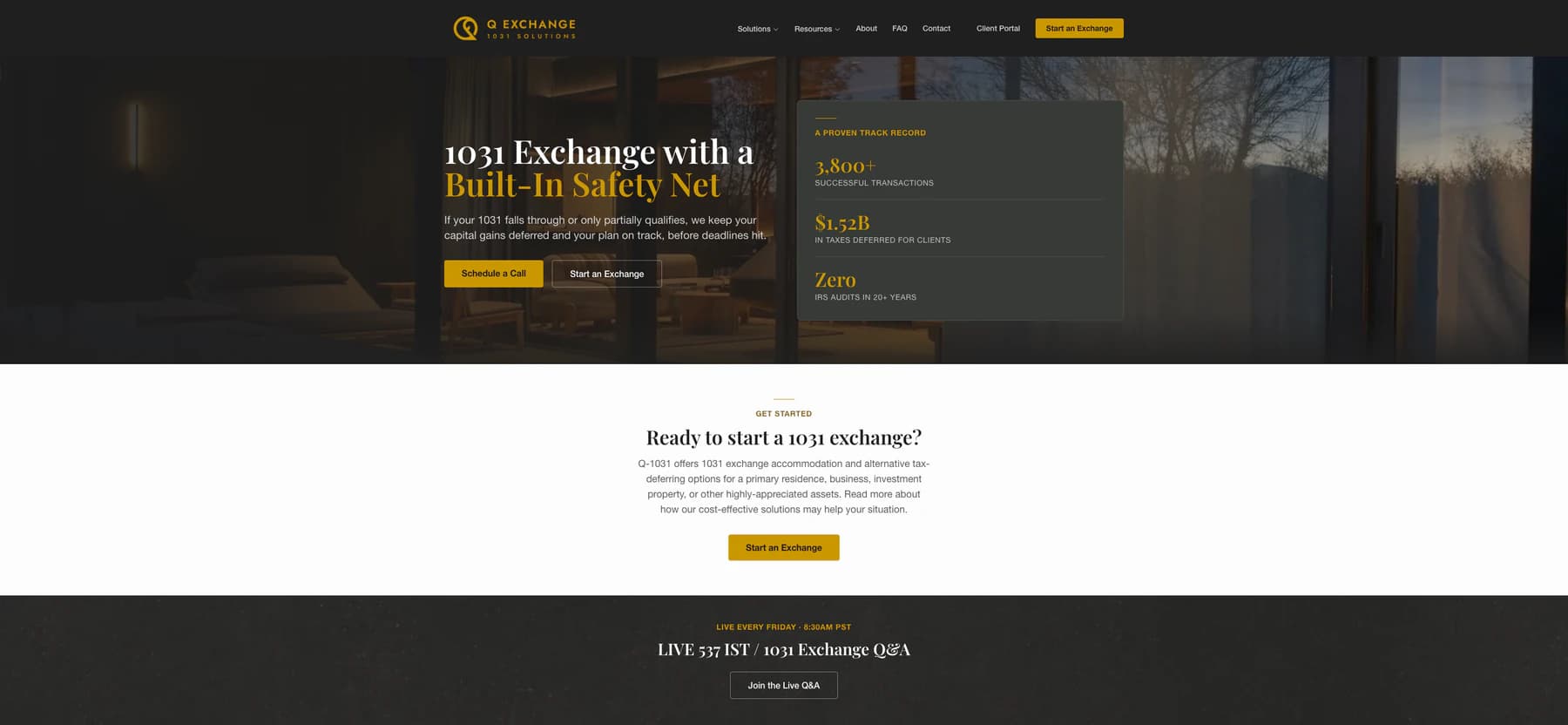
q-1031.com — the flagship conversion. New information architecture, solutions library, estimator funnels, webinar flow.
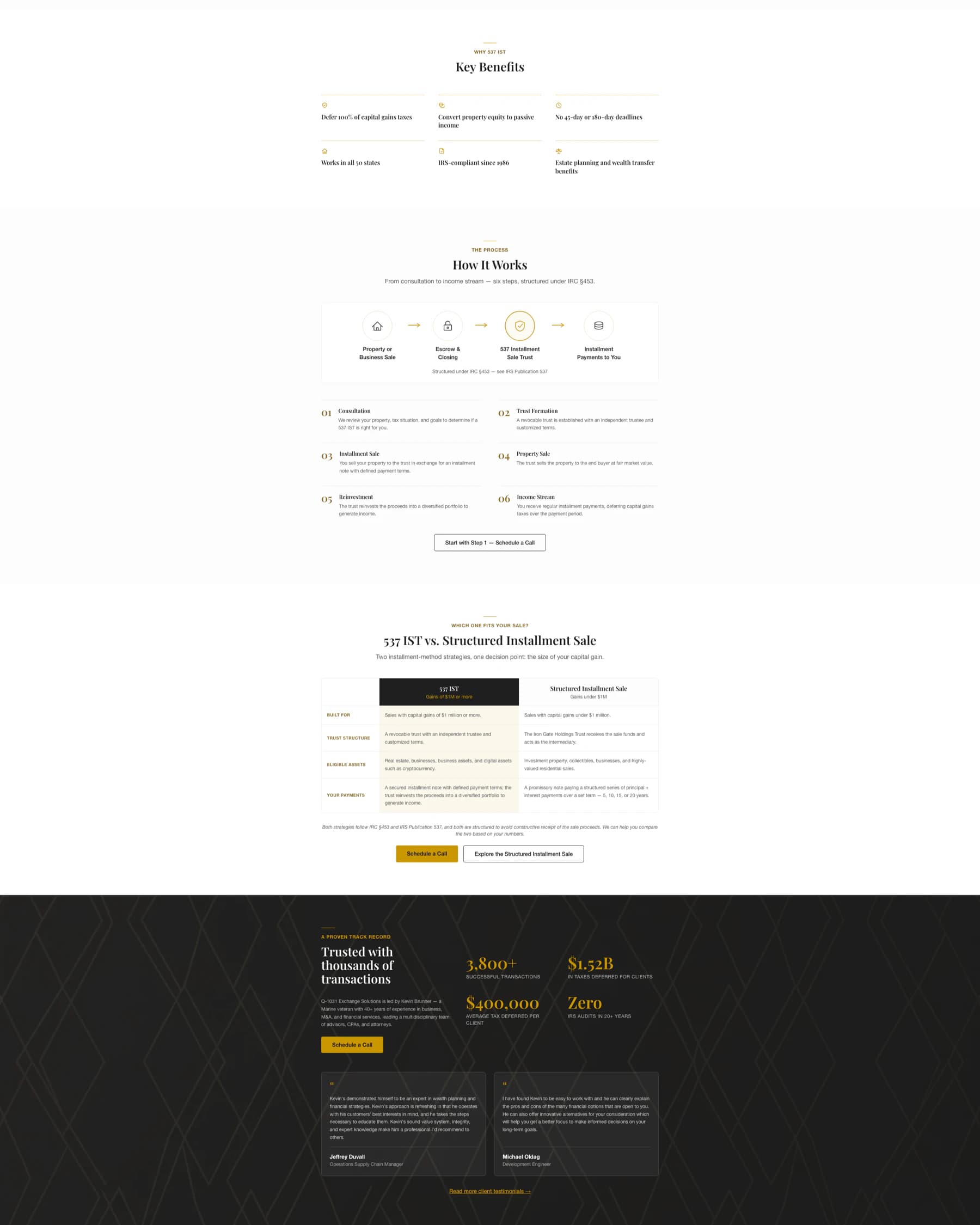
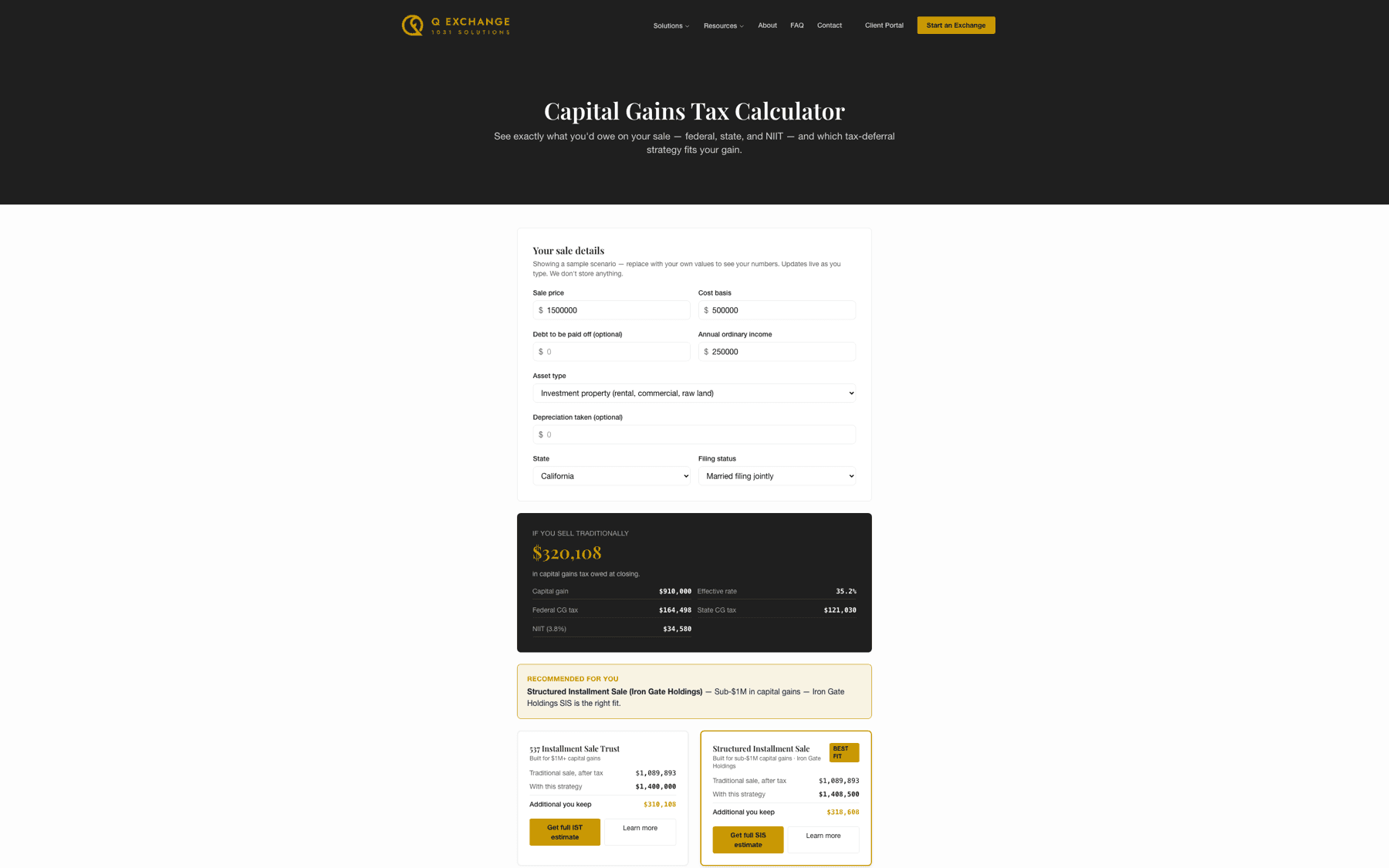
Also part of the conversion: estimator funnels, webinar registration flows, and niche exit funnels — every path engineered toward the same booked-call outcome.
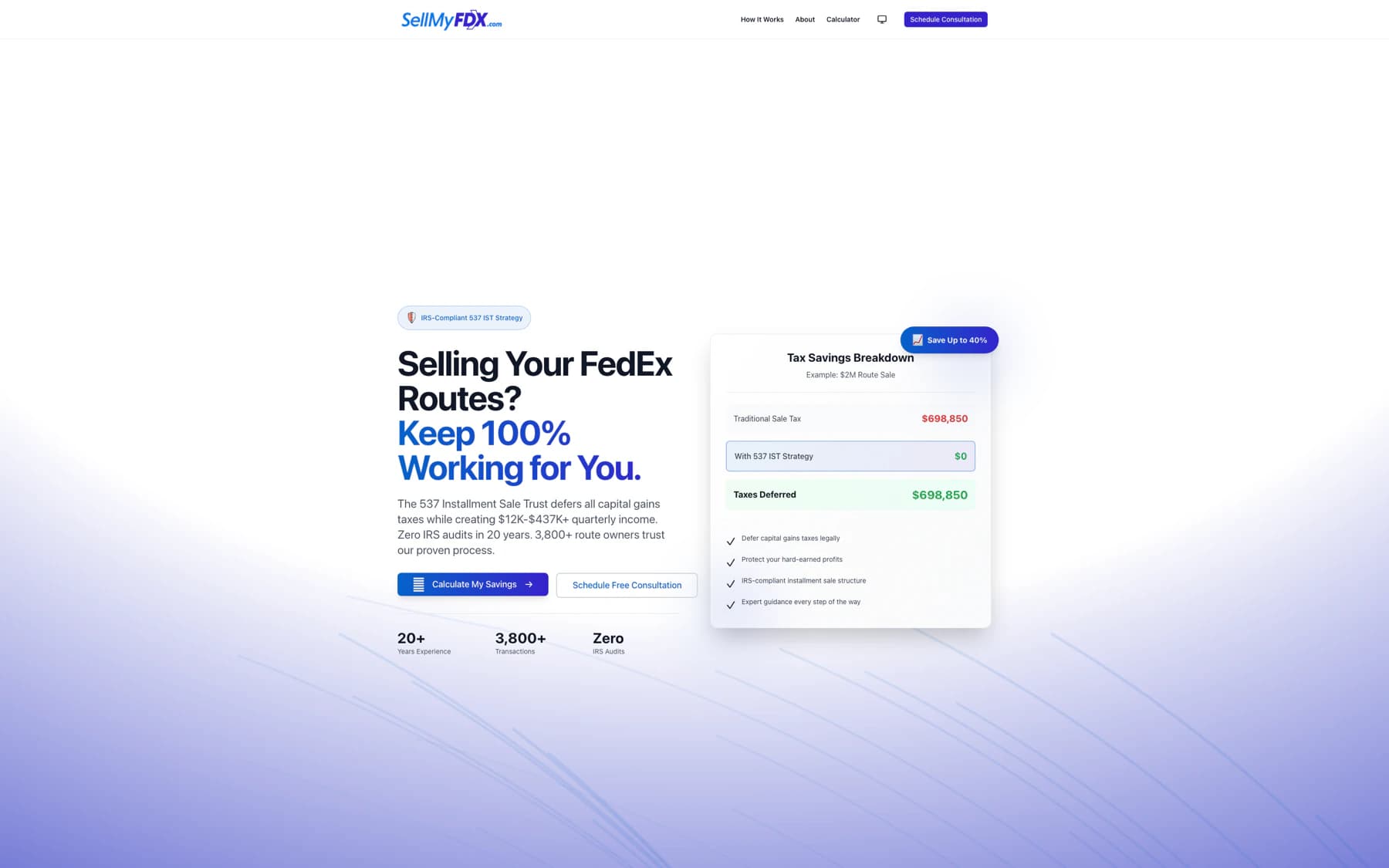
SellMyFDX
Niche exit-planning funnel for FedEx route owners.
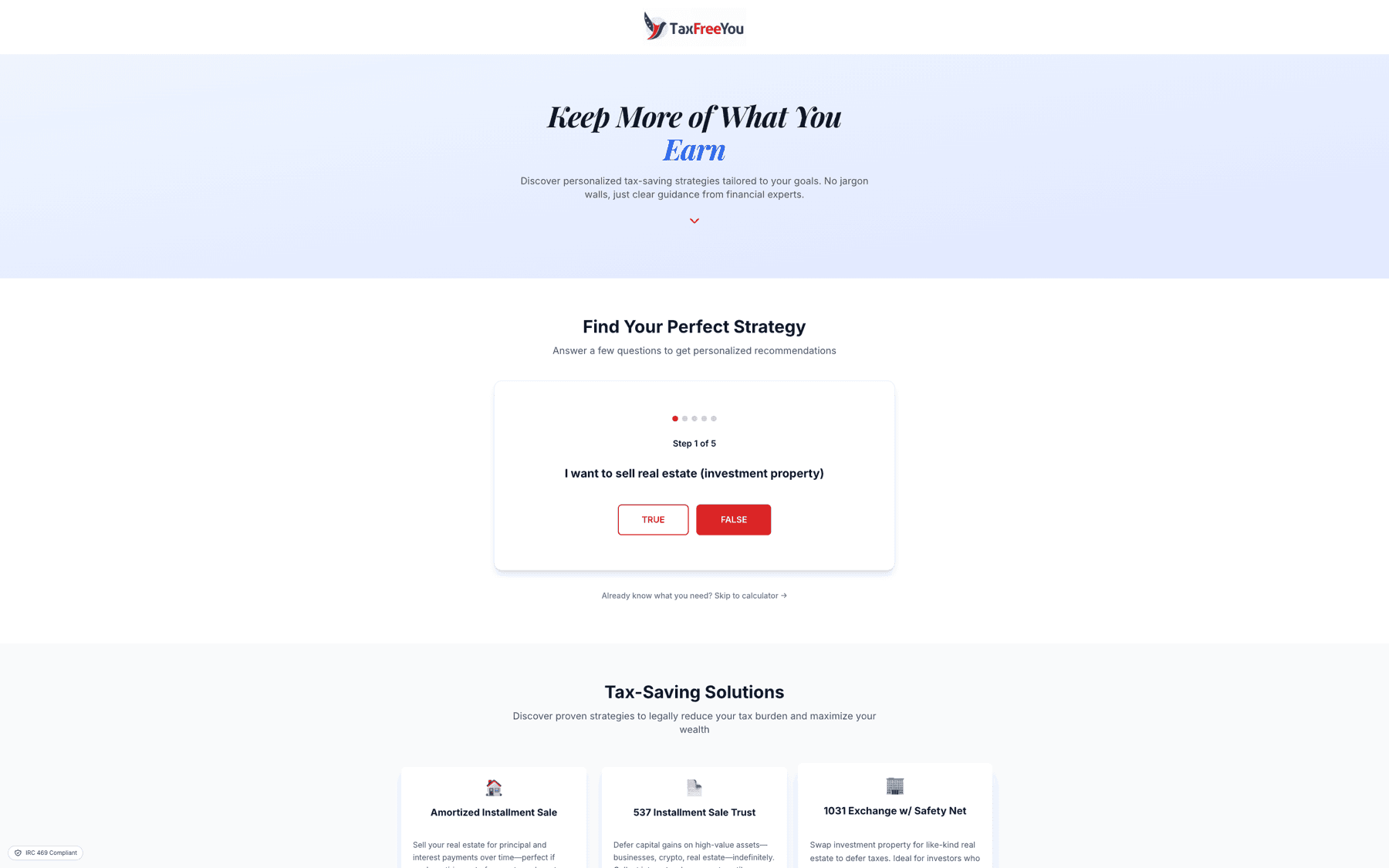
TaxFreeYou
Umbrella consumer brand for tax-advantaged strategies.
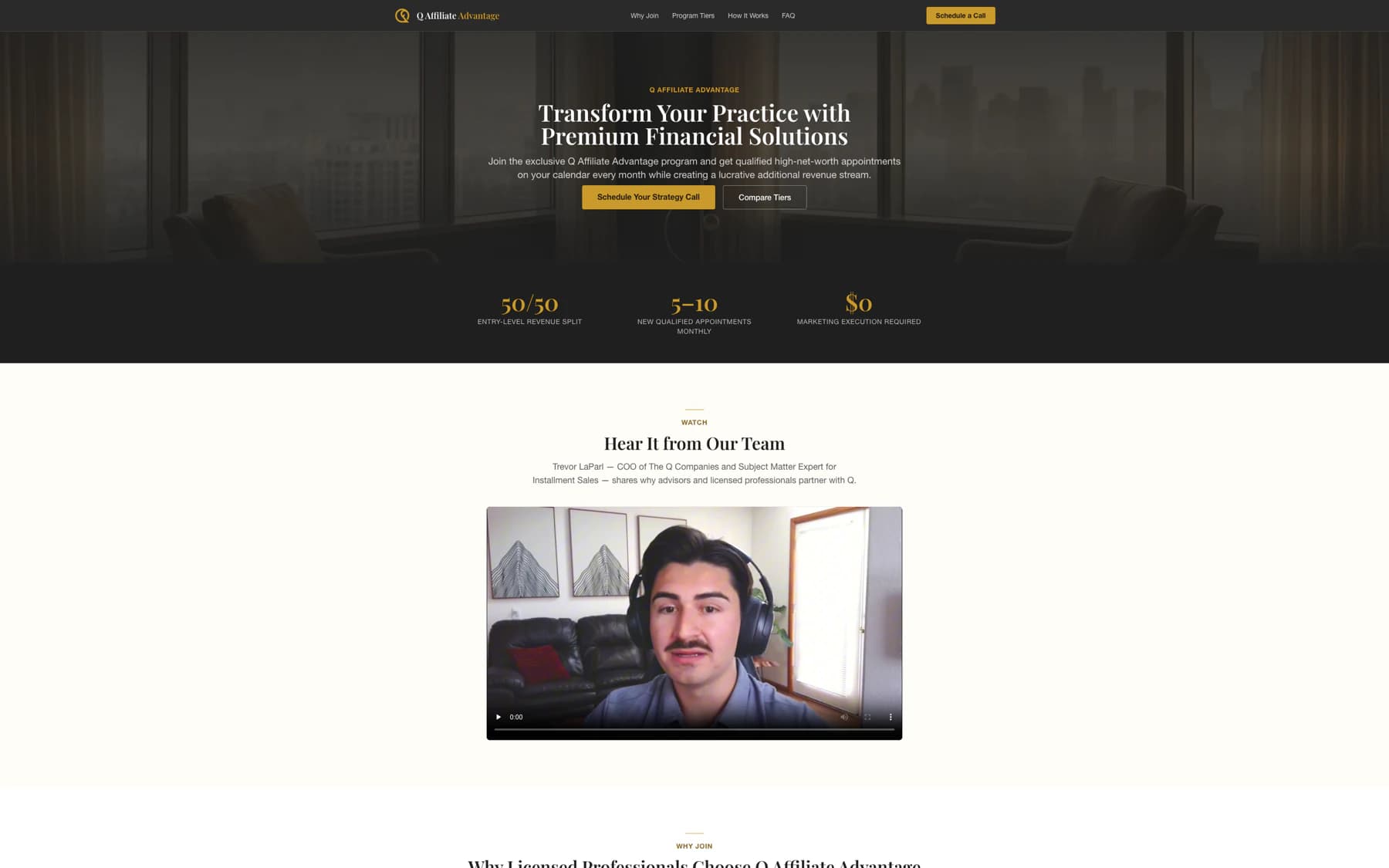
Q Affiliate Advantage
Partner-program site for advisor practices.
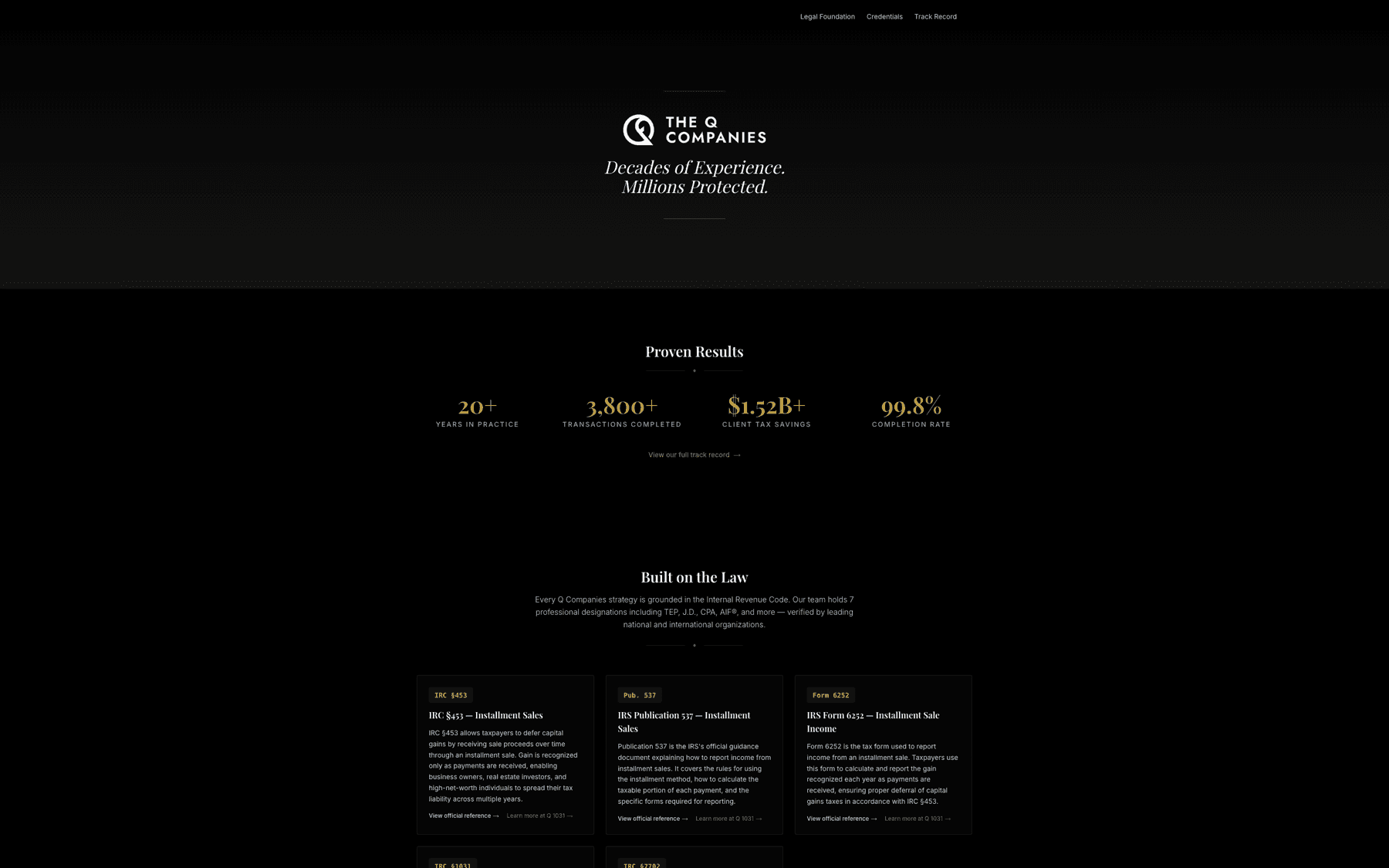
The Q Companies
Parent-company team and authority page.
The system underneath
Why not just stay in the CRM?
Fair question — most agencies would run all of this inside HighLevel’s page builder. HighLevel is still in this stack; it remains the CRM of record. The rebuild exists because these properties are more than brochureware: they’re the instrumented front end of a client-journey tracking system — one a drag-and-drop builder can’t express.
Every step tags back to the same contact — attribution survives from first impression to booked call.
Ad naming that reads like a database
Every campaign, ad set, and creative file is named by a strict schema — concept, hook, format, variant, revision, batch. The operating principle: dashboard in a name. A person can read the ad account like a ledger, and software can parse it.
Attribution that survives the click
The naming schema maps to UTM parameters, so each lead record carries the exact angle, hook, and creative that earned it — no guessing which ad actually books calls.
Persist-first lead capture
Registrations and estimator submissions write to the platform’s own database first, then sync to the CRM. Webinar registrants get per-registrant join links, so attendance ties back to the same journey.
q1031
Client
537_ist
Product
closing-check
Concept
sqr
Format
hk3
Hook
img01
Visual variant
i1
Revision
gen01
Batch
src_design
Production method
A real filename from the campaign’s creative library — concept, hook, variant, revision, batch, and production method, all machine-readable.
Ad creative
Concepts at scale, not one-off graphics
Campaign creative is produced the way software is produced: concept families, hook variants, format crops — photoreal scene work alongside design-rendered ads — every file named by the schema above and staged for compliance review before anything runs.

Keys at closing

The estate handoff

Sandcastle time

The 45-day stopwatch

Exit the 1031 cycle
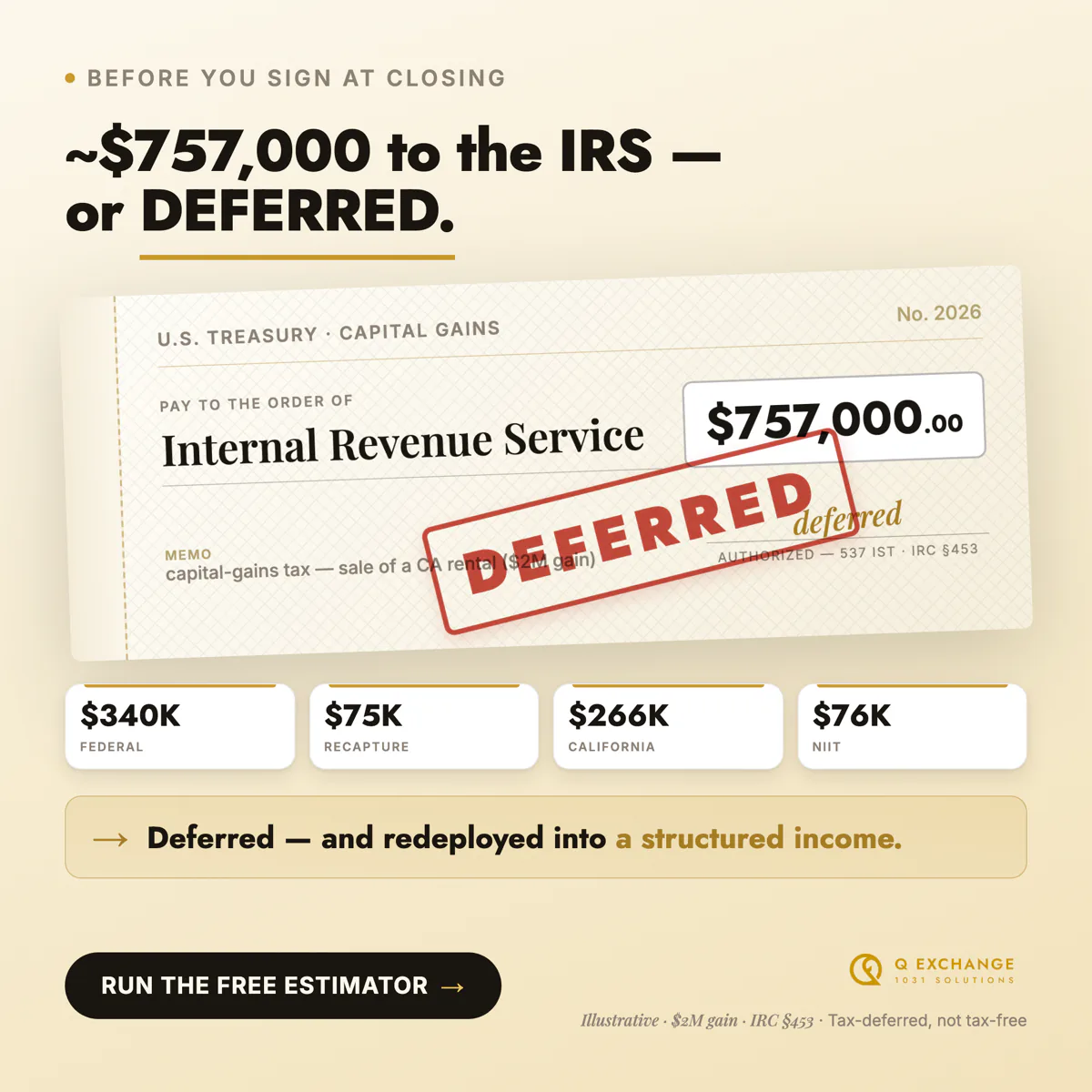
The deferred closing check
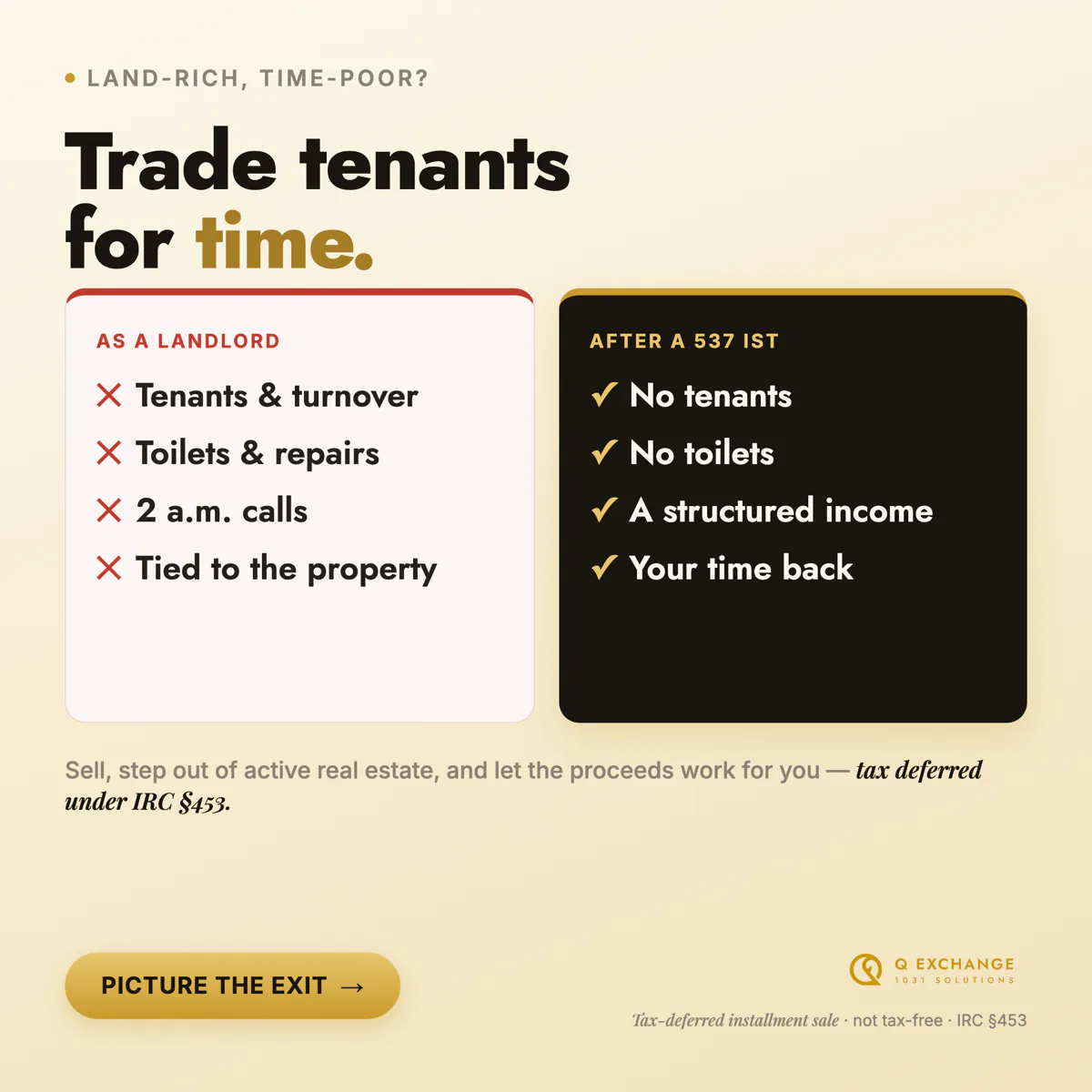
Trade tenants for time

The porch departure
Social mockups
Proofed in the feed before launch
Every concept is proofed exactly as a prospect will meet it — including previews rendered by Meta’s own ads system, with real copy, real chrome, and the client’s page identity in place.
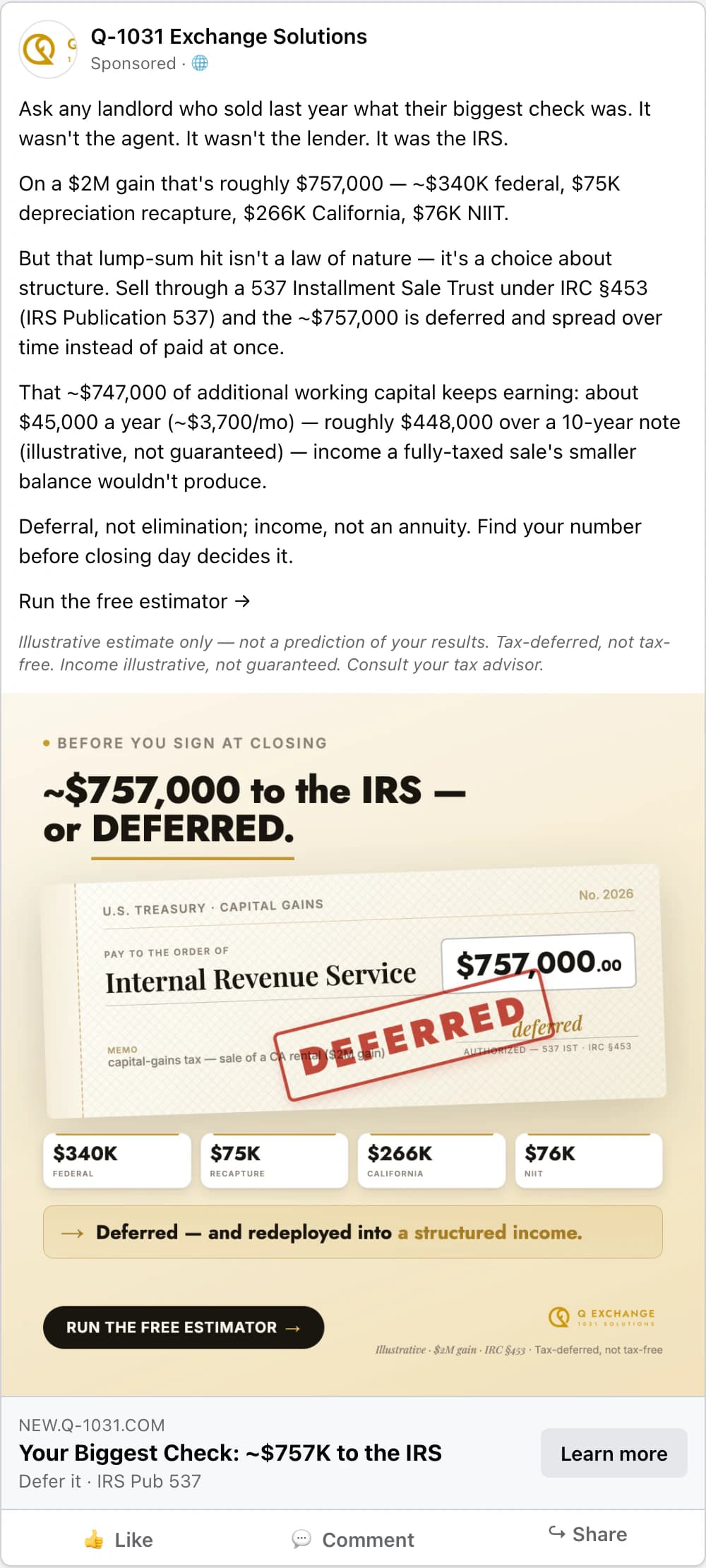
The closing check, in-feed

Rendered by Meta's preview API
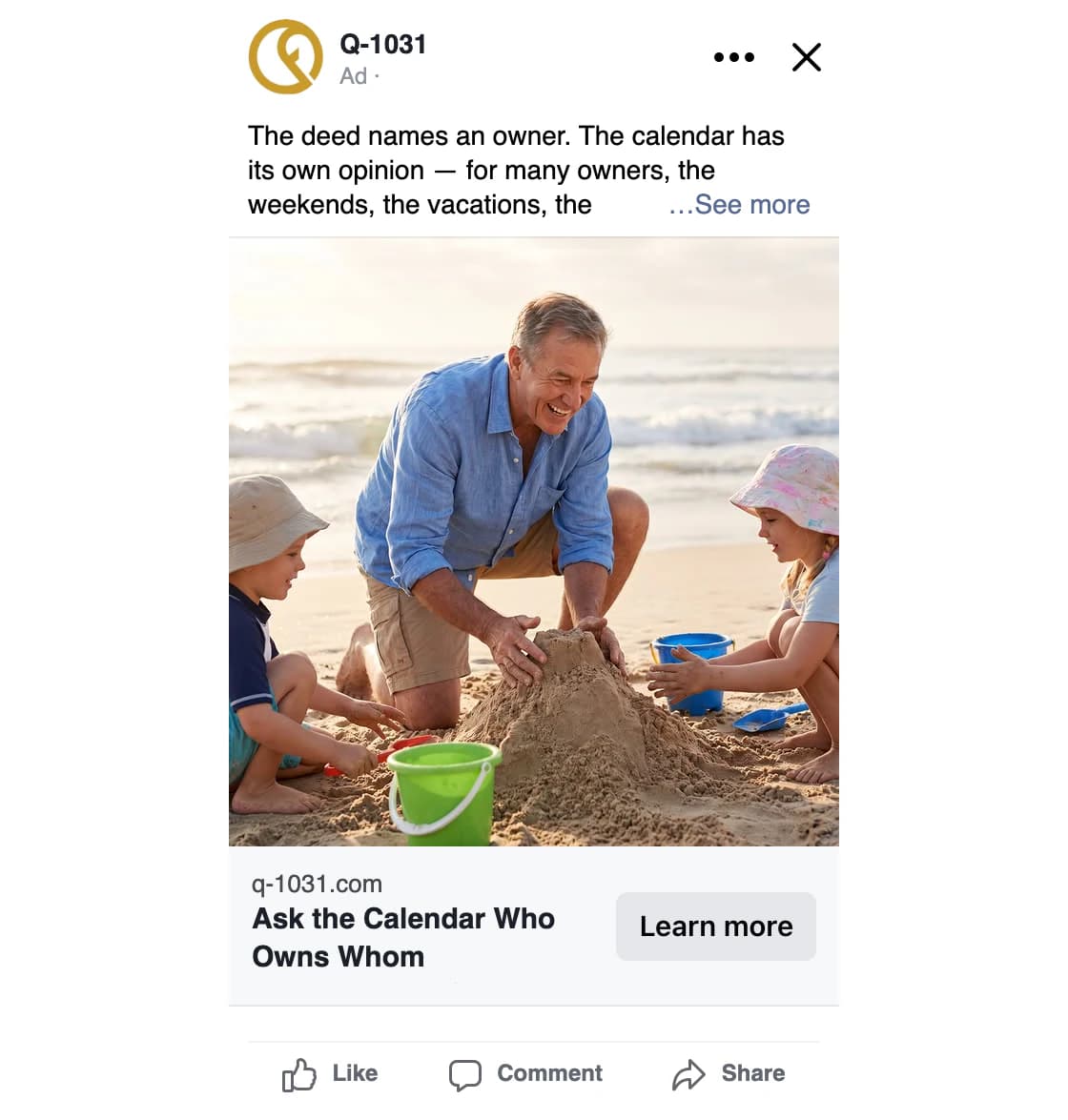
Rendered by Meta's preview API

Video ad, proofed frame-first

The 45-day clock
Lead magnets
Documents that do the selling
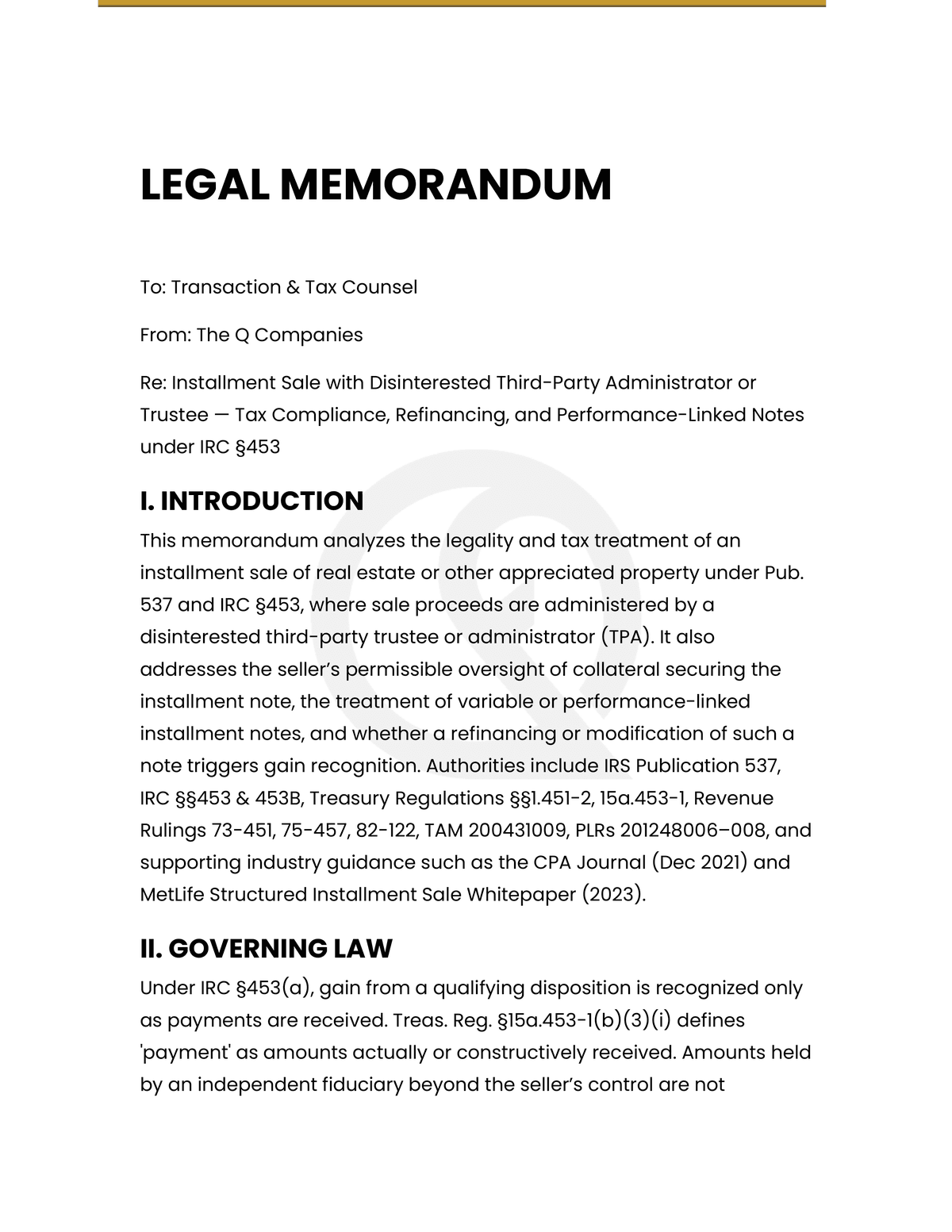
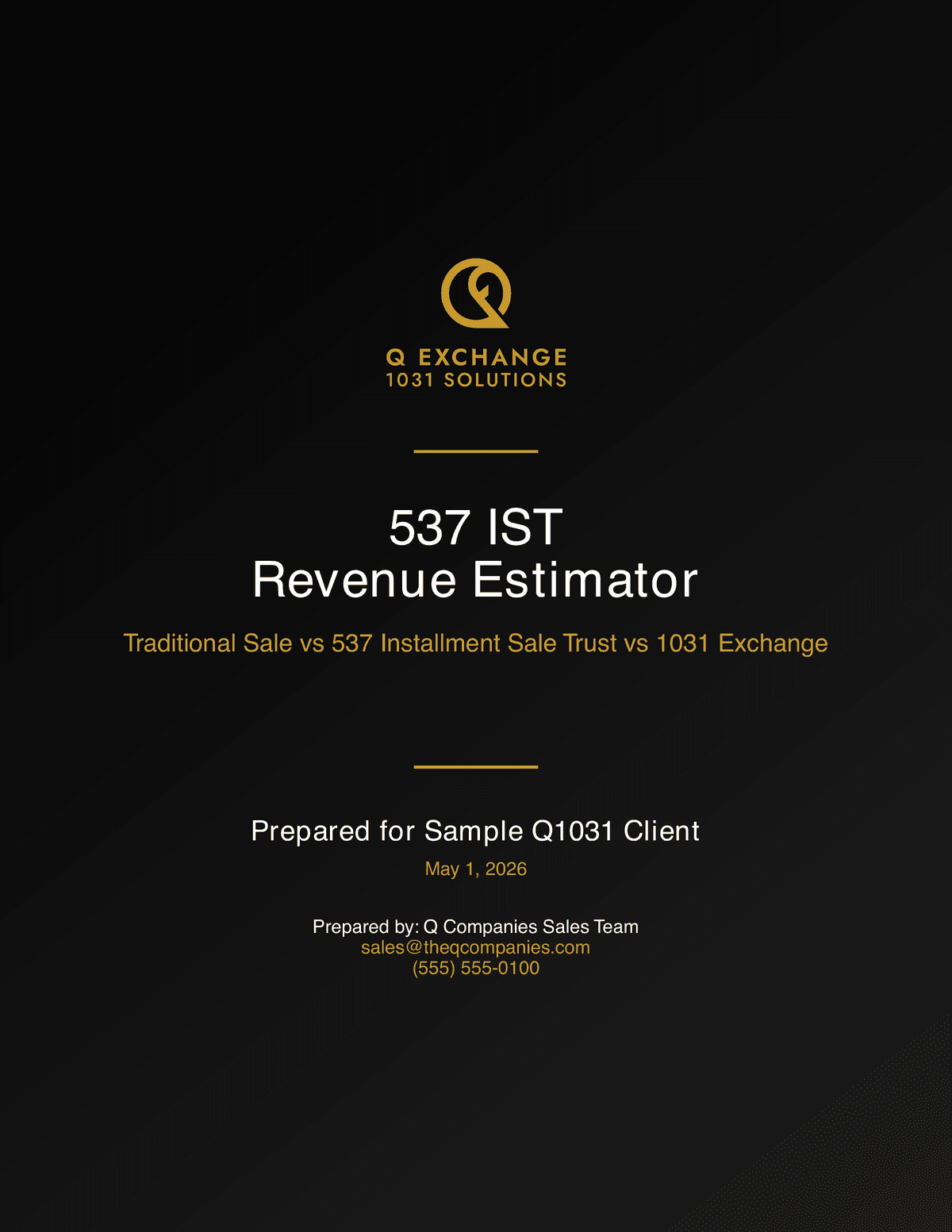
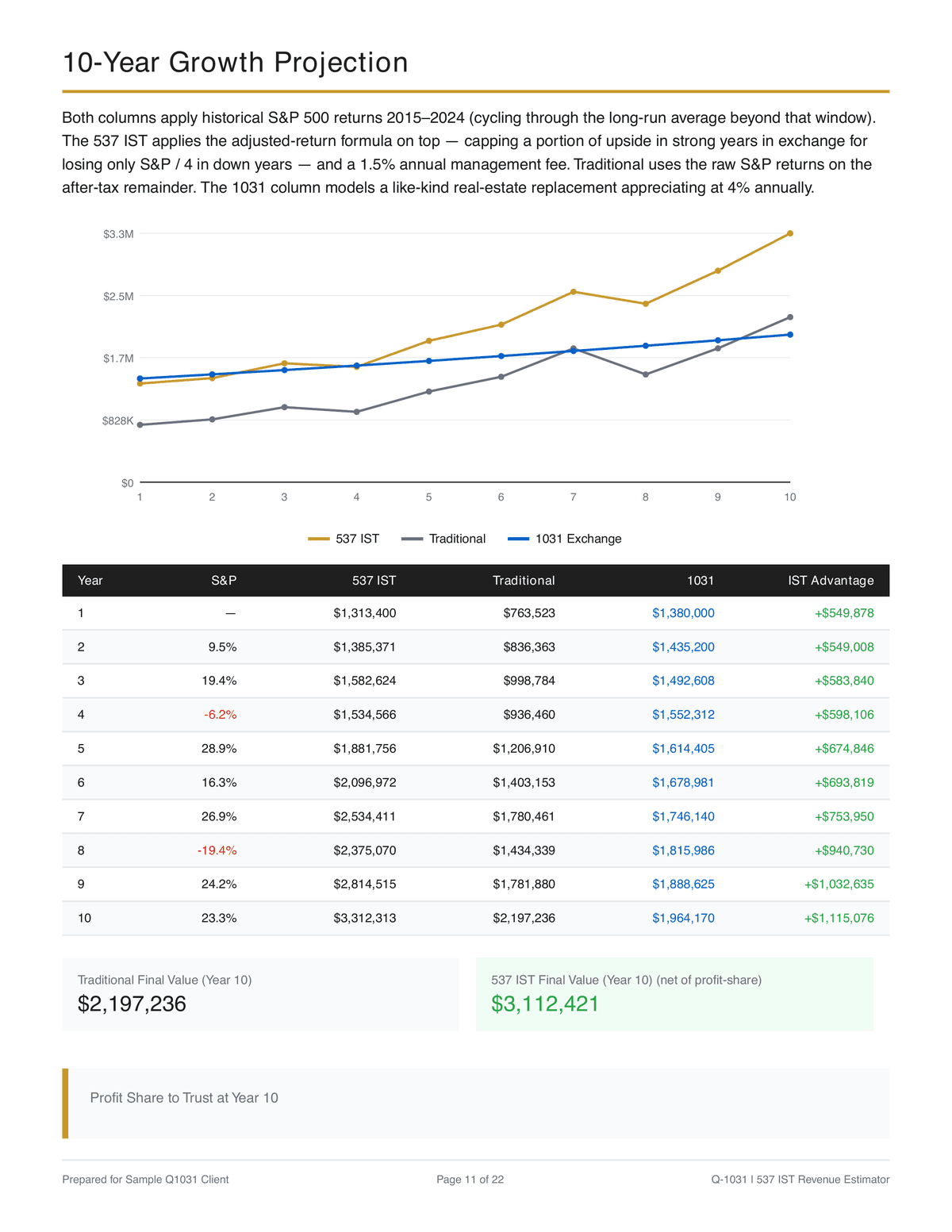
Long-form pieces built for the funnels: attorney-grade memoranda hosted on the live sites, personalized estimator reports generated for each prospect, and fully illustrated guides designed for tight niches.
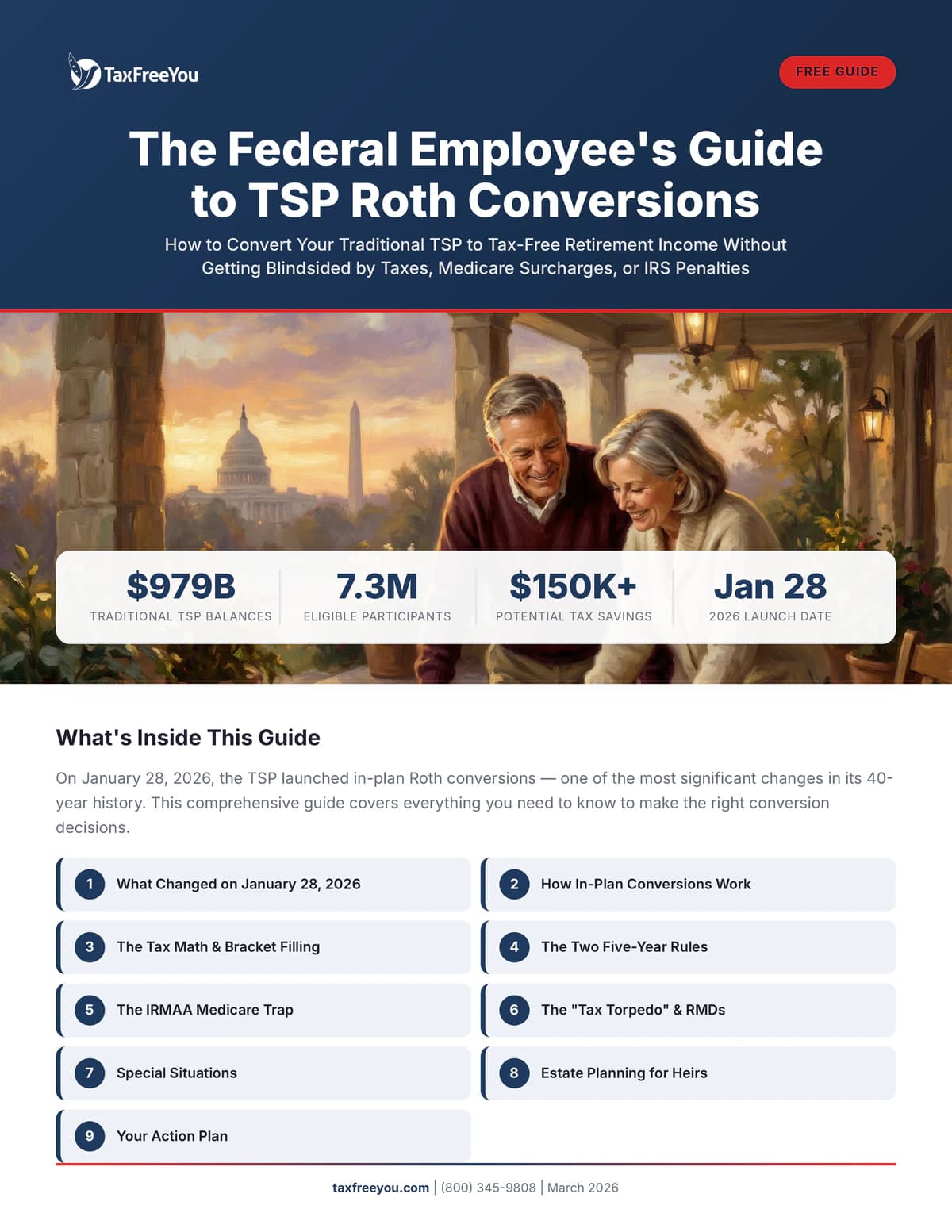
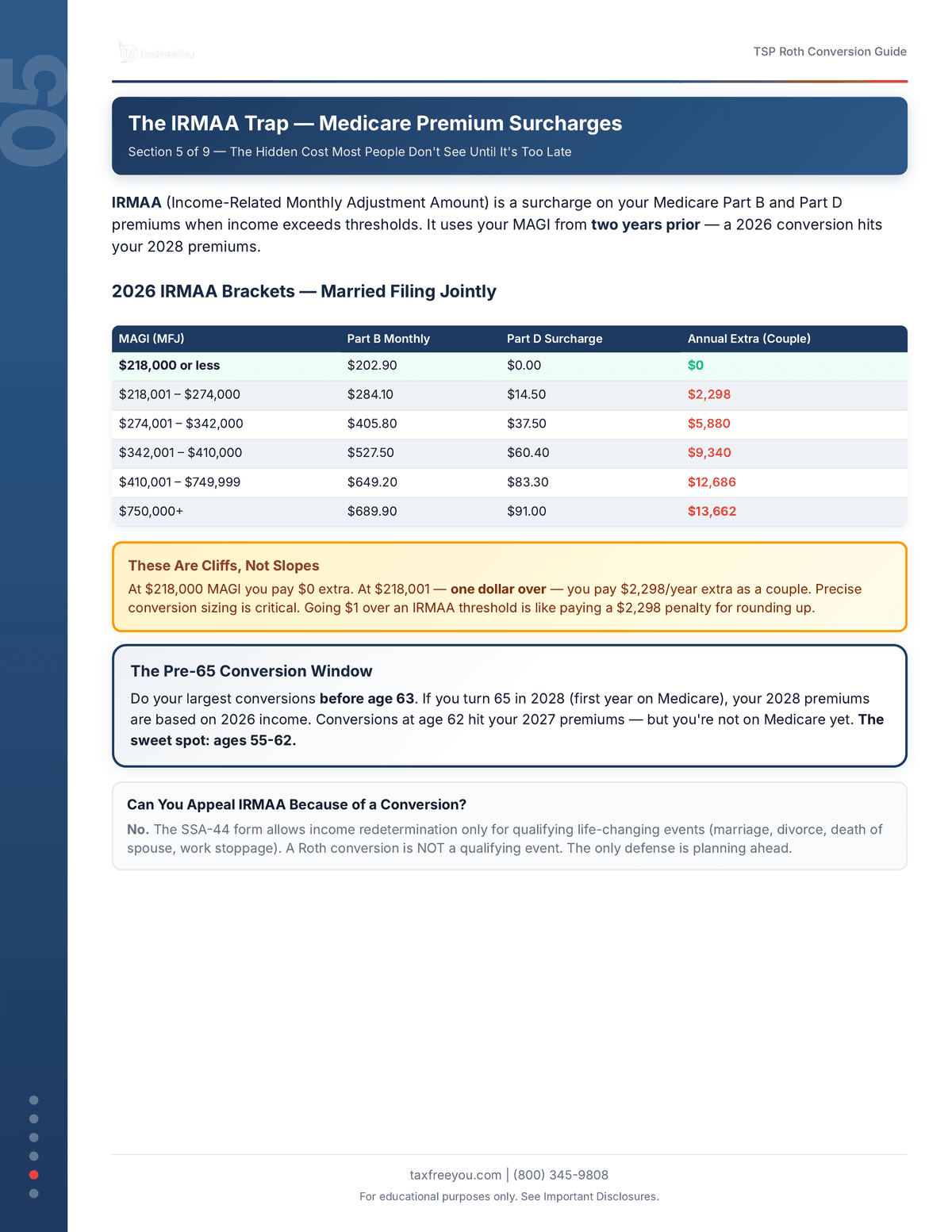
TaxFreeYou's Federal Employee's Guide to TSP Roth Conversions — a custom-illustrated guide built for the TSP in-plan Roth conversion rule change, with color-coded IRMAA planning tables inside.
Custom portals
Software their clients sign into
Purpose-built portals ship with the platform: a client portal where exchange clients track engagements, documents, and payments — and a proposal portal where campaign work is presented for approval behind revocable, tokenized share links.
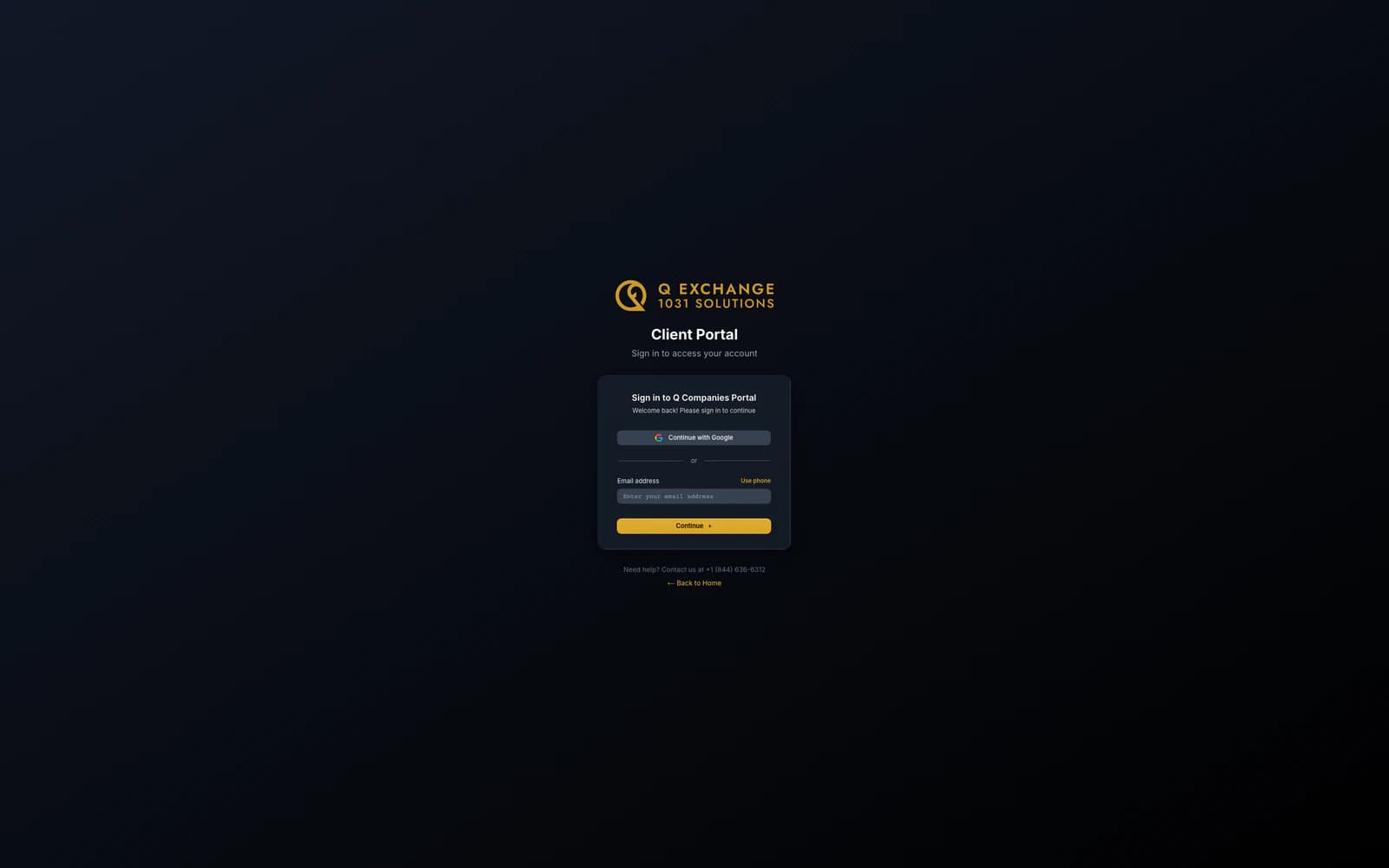
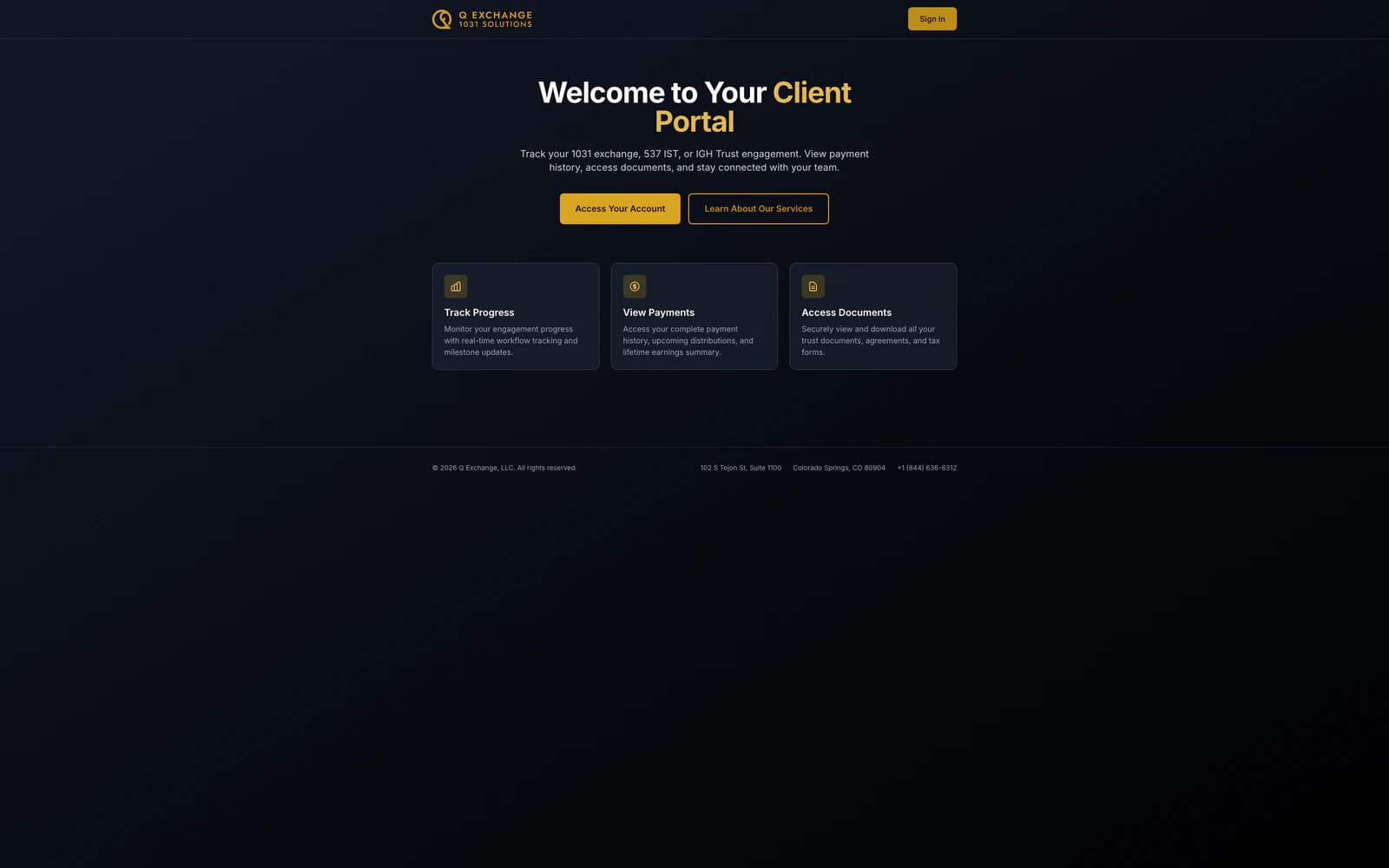
The Q Companies client portal
Authenticated and audience-aware: clients see their exchanges, engagements, and documents; staff see onboarding and operations. It all runs on the client’s own domain.
Proposal hosting
Campaign packages are presented as living pages — creative galleries with approve-and-suggest feedback on every variant — gated by tokenized links that can be revoked at any time. Access is a grant, not a URL.

Want to see how work like this gets built?
The next live workshop is Grok Bot Army on October 28.